

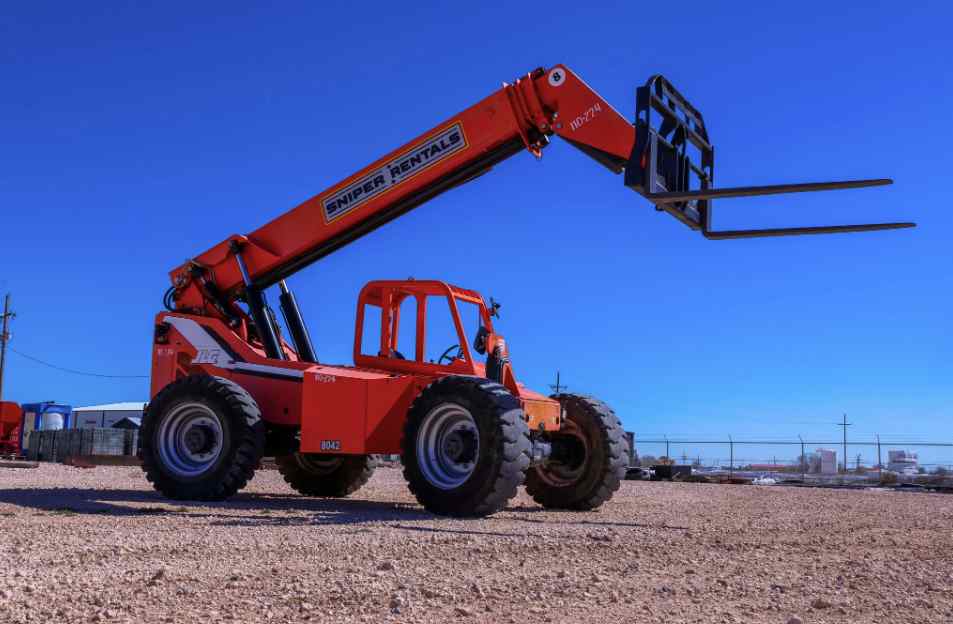
Completing elevated construction, maintenance, or installation work requires reliable aerial access equipment that ensures both worker safety and overall task efficiency. Whether installing overhead lighting, mounting ceiling insulation, painting warehouse walls, or fitting exterior steel framework, using traditional ladders or static scaffolding often creates unnecessary safety hazards and slows down productivity. Electric and rough-terrain scissor lifts provide stable, vertical elevated work platforms equipped with wide decks, allowing operators and tools to reach target working heights quickly. However, choosing the wrong size, power source, or weight capacity for a job can lead to project delays or job site complications.
Understanding the primary technical specifications and operating conditions of different lift models helps site supervisors and independent contractors select the ideal machinery for their specific application. Regional equipment fleets like Sniper Rentals offer access to varied elevated platform configurations, ranging from compact indoor units to heavy-duty outdoor rough-terrain lifts. Evaluating key job site parameters—such as ground surface texture, vertical clearance, power availability, and total deck load—ensures smooth operations while maintaining full safety compliance throughout the project lifecycle.
Understanding the Fundamental Types of Scissor Lifts
While all scissor lifts use crisscrossing mechanical supports to raise a working platform straight up, machines are broadly categorized by their power source, wheel design, and intended operating environment.
1. Electric Scissor Lifts
Electric-powered lifts are designed primarily for smooth, slab-surface indoor applications such as warehouses, retail centers, and commercial interiors. They feature zero-emission battery power packs and non-marking rubber tires that protect finished concrete, tile, or epoxy flooring. Electric units operate quietly, making them ideal for noise-sensitive indoor environments.
2. Rough-Terrain (Diesel or Gas) Scissor Lifts
Rough-terrain models are engineered for demanding outdoor construction sites where surfaces are uneven, muddy, or unpaved. Powered by internal combustion engines or high-capacity hybrid battery systems, these units feature deep-tread pneumatic tires, heavy-duty suspension, four-wheel drive capability, and hydraulic leveling outriggers to stabilize the machine on sloped ground.
Key Factors to Evaluate Before Selecting a Lift
Matching a scissor lift to your project requires looking beyond basic platform height. Reviewing the following physical requirements will ensure you select a machine that meets your operational needs without exceeding safe limits.
Platform Working Height vs. Stowed Height
- Platform Height: The maximum vertical elevation reached by the floor of the lift platform.
- Working Height: Calculated by adding roughly six feet (the average reach of an standing operator) to the platform height.
- Stowed Height and Dimensions: The overall height, width, and length of the machine when fully collapsed. Ensure the collapsed lift can fit through standard doorway openings, elevator shafts, or narrow access gates on your site.
Maximum Lift Weight Capacity
Every lift platform has a strict weight limit (typically ranging between 500 lbs and 2,500 lbs). This total capacity must account for:
- The combined weight of all operators on the platform.
- Heavy power tools, welding rigs, or mechanical gear brought onto the platform.
- Materials like drywall sheets, ductwork sections, or electrical conduits stored on the deck during installation.
Ground Surface Conditions and Slope Limits
Indoors, check floor load capacity to ensure the concentrated weight of the lift does not damage subflooring. Outdoors, assess slope incline; most scissor lifts feature automatic tilt sensors that disable raising mechanisms if the ground angle exceeds safe operating tolerances (usually 3 to 5 degrees).
Best Operating Practices and Safety Protocols
Operating aerial lifts requires adherence to standard safety procedures to prevent tip-overs, falls, or overhead electrical hazards.
1. Daily Pre-Operation Inspection
Before starting work each morning, operators should perform a visual and functional check:
- Inspect hydraulic hoses, fittings, and cylinders for fluid leaks.
- Check tire pressure and verify lug nuts are fully tightened.
- Test emergency stop controls, tilt alarms, and lowering mechanisms on both ground and platform control panels.
- Confirm safety guardrails and drop-bar gates function correctly.
2. Job Site Area Clearance
Inspect the overhead workspace for high-voltage power lines, low-hanging structural beams, or piping. Clear ground debris, open pits, and grease spills from the machine’s travel path.
3. Proper Fall Protection and Personal Protective Equipment (PPE)
Operators should wear hard hats, safety glasses, high-visibility vests, and steel-toe boots. Where site rules or regulations mandate, operators should connect fall restraint harnesses to designated anchorage points inside the platform guardrail enclosure.
Maximizing Project Efficiency with Elevated Platforms
Using a scissor lift over manual ladders or frame scaffolding speeds up multi-stage projects significantly. Extended deck options allow multiple workers to install long conduit runs or ceiling panels simultaneously without repositioning the machine constantly. By prioritizing proper machine selection, weight management, and daily safety checks, contractors can complete high-reach projects efficiently and safely.
