

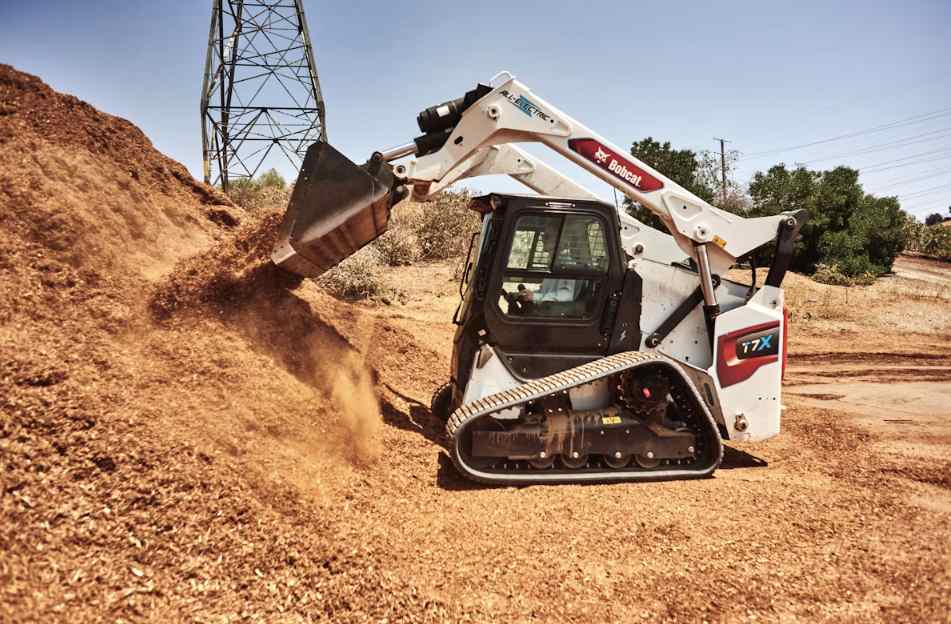
When managing a tight residential construction site, a complex landscaping redesign, or a busy agricultural property, space quickly becomes your most valuable and limiting resource. While massive commercial earthmovers excel at shifting tons of dirt in open fields, they are completely impractical when you need to navigate between existing houses, pass through backyard gates, or work around delicate underground infrastructure. For these intricate projects, the primary challenge is finding a machine that packs heavy-duty pushing power and high lifting capacities into a highly compact, maneuverable frame.
Successfully balancing machine size with raw operational capability requires a smart look at how equipment engineering impacts ground pressure and stability. Job site deployment studies published by regional equipment networks like Sniper Rentals show that using a compact track loader with an optimized weight distribution system allows operators to maintain high hydraulic performance without tearing up finished terrain. Shifting your equipment strategy from traditional heavy machinery to agile, high-flotation track systems ensures your project moves forward smoothly, even in the most restricted or sensitive working environments.
What is a Compact Track Loader? Wheels vs. Rubber Tracks
Many people look at a compact loader and casually call it a skid steer. While they share similar controls and look alike from a distance, there is a fundamental engineering difference underneath the chassis. A traditional skid steer runs on four independent rubber tires, whereas a compact track loader (CTL) rides on a dedicated rubber track undercarriage system.
This simple structural shift changes how the machine interacts with the ground surface, offering three distinct operational advantages for compact project environments:
- Low Ground Pressure (Flotation): Because a track spreads the machine’s weight across a massive surface area, it applies very little downward pressure per square inch. This prevents the machine from sinking into soft mud, loose sand, or wet clay where a wheeled loader would immediately spin its tires and get stuck.
- Minimal Ground Disturbance: Wheeled skid steers steer by skidding their tires across the dirt, which deepens ruts and tears up existing grass or gravel driveways. Rubber tracks glide more evenly over the surface, saving you hours of expensive landscape repair work when the project is done.
- Superior Push Power and Traction: The extensive ground contact of a track creates immense friction and grip. This allows a compact track loader to push aggressively into heavy piles of clay, dense gravel, or packed snow without losing forward momentum.
Understanding Vertical Lift vs. Radial Lift Geometry
Not all loader arms move the same way. When choosing a compact loader for a project, it is critical to look closely at the mechanical lift path of the bucket arms. Manufacturers engineer loader arms using one of two distinct geometric configurations: radial lift or vertical lift.
[Radial Lift Path] → Upward curve like a bow (Best for ground-level dirt work)
[Vertical Lift Path] → True straight up-and-down line (Best for high-reach dumping)
Understanding how these two designs function ensures you select the correct machine geometry for your specific on-site tasks:
The Radial Lift Path
A radial lift machine moves its bucket upward and outward in a smooth, sweeping arc, reaching its maximum forward distance at the midpoint of the lift cycle. This configuration uses fewer mechanical pivot joints, making it incredibly rigid and highly durable for heavy, ground-level digging, aggressive grading, and clearing stubborn brush or rocks.
The Vertical Lift Path
A vertical lift machine keeps the bucket load moving almost perfectly straight up and down throughout the entire lifting cycle. This advanced geometry keeps the bucket closer to the machine for maximum stability, and it provides exceptional forward reach at the very top of the lift path. This design is highly optimized for lifting heavy pallets of bricks, dumping material directly into the center of high-sided dump trucks, and stacking bulk materials tightly together.
Strategic Applications: Getting the Most Out of an Agile Frame
Because compact track loaders pack immense hydraulic power into a narrow footprint, they can easily handle an enormous variety of specialized tasks when paired with the right front attachments.
[Maneuver Through Gates] → [Secure High-Traction Footing] → [Lift Straight Up Into Trucks]
To optimize your project timeline, plan to group your loader tasks into these highly efficient operational windows:
- Site Clearing and Precision Grading: Use the machine’s high traction to quickly strip away tangled surface roots, level out uneven topsoil, and carve out precise pathways for new driveways or concrete sidewalks.
- High-Capacity Material Staging: Swap the standard dirt bucket out for heavy-duty pallet forks to transport heavy bundles of sod, drainage pipes, or retaining wall blocks through narrow side yards without damaging the turf.
- Mechanical Excavation and Drilling: Utilize the machine’s high-flow auxiliary hydraulic system to power specialized attachments like heavy earth augers for drilling deep fence posts, or hydraulic breakers for removing old concrete pads.
Vital Safety Protocols for Compact Track Loader Operators
Don’t let the compact size of a track loader trick you into letting your guard down. These are incredibly heavy, powerful industrial machines that require a focused operator to maintain complete control and situational awareness at all times.
Keep the bucket low during transit: Whenever you are moving material across a job site, always carry the bucket or pallet forks as low to the ground as safely possible—ideally just a few inches above the turf. Traveling with a heavy, elevated load raises the machine’s center of gravity drastically, making it highly susceptible to tipping over forward or sideways if you hit a sudden bump, hidden root, or uneven slope.
Additionally, always face the machine straight up or straight down a hillside when working on inclines; never drive sideways across a steep slope, as this can easily cause the tracks to lose traction and roll the machine over. Before stepping out of the enclosed cab, always lower the loader arms completely flat to the ground, engage the hydraulic safety lockouts, and turn off the engine. Taking these basic, disciplined steps protects your surrounding ground crew and ensures your compact site operations remain safe, organized, and highly profitable from start to finish.
