

Your construction or demolition site is generating tons of gypsum waste, and landfill costs are eating into your profits every single month. Here’s what you need to know right now:
Gypsum recycling plants are specialized facilities that process waste gypsum board into reusable materials, with payback typically achieved within 18 to 36 months depending on your throughput volume and regional landfill costs.
The mistake I see most often? Companies wait until landfill regulations change or costs skyrocket before exploring recycling options. By then, they’ve already lost hundreds of thousands in disposal fees and missed revenue opportunities.
What Exactly Are Gypsum Recycling Plants?
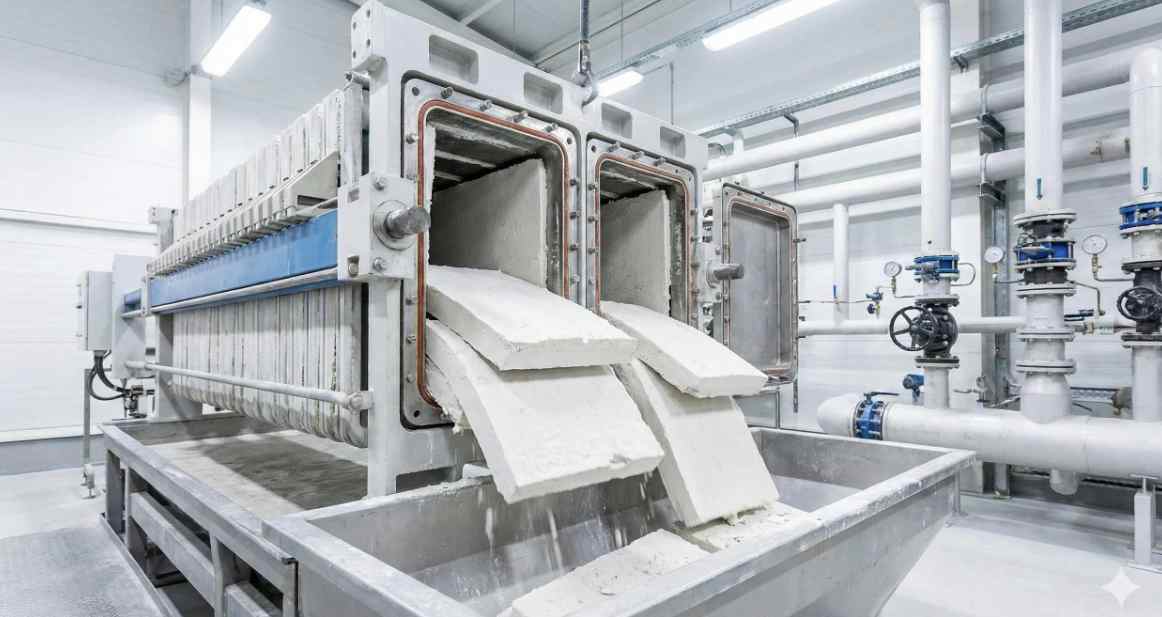
Gypsum recycling plants are facilities equipped to separate, crush, and process waste gypsum wallboard back into raw gypsum powder and clean paper. In my experience consulting for construction waste managers, these plants have become essential infrastructure as environmental regulations tighten globally.
Why Should You Consider a Gypsum Recycling Plant?
-
You’ll Cut Disposal Costs Immediately
Landfill tipping fees for gypsum range from $50 to $150 per ton in most regions. If you’re sending 100 tons monthly to landfill, that’s $60,000 to $180,000 annually just disappearing. A recycling plant converts this cost center into a potential money maker.
-
Environmental Rules Are Getting Tougher
Here’s what actually works in today’s regulatory environment: getting ahead of legislation. Multiple states and countries now restrict or ban gypsum in landfills because it produces dangerous hydrogen sulfide gas. Installing recycling infrastructure now positions you as compliant rather than scrambling later.
-
You Create Products You Can Sell
Recycled gypsum powder sells to manufacturers, agricultural operations for soil improvement, and cement producers. The separated paper fiber goes to paper mills or composting facilities. You’re literally turning waste into revenue.
How Do These Plants Actually Work?
The typical process includes:
- Initial sorting to remove contaminants like metal, wood, and vinyl
- Crushing and grinding gypsum board into smaller pieces
- Mechanical separation of paper facing from gypsum core
- Screening to get the right particle sizes
- Storage and packaging for resale or reuse
The mistake I see most often is underestimating contamination challenges. Mixed construction waste requires more sophisticated sorting systems, which increases both upfront and operating costs significantly.
What Should You Consider Before Investing?
-
Plant Size and Capacity
Small mobile units process 5 to 10 tons per day and cost $150,000 to $300,000. Medium scale stationary plants handling 50 to 100 tons daily run $800,000 to $2 million. Large commercial facilities exceed $5 million in capital investment.
-
Location Matters
You need to be close to gypsum waste sources and buyers for recycled products. Transportation costs kill profit margins faster than anything else in the recycling business.
-
Quality Control Is Critical
Buyers demand consistent quality. Invest in proper screening and testing equipment from day one, or you’ll struggle to find reliable markets for your recycled materials.
Final Words
Gypsum recycling plants represent a genuine opportunity to reduce costs, generate revenue, and future proof your operations against tightening regulations. Start by checking your current gypsum waste volumes and what you’re paying for disposal.
Your next step:
Calculate your annual gypsum disposal costs and contact three equipment manufacturers for feasibility assessments this month. The numbers might surprise you.
